ResourcesSummary
ResourcesSummary
RESOURCES
Explore and download our work.
Reports, publications, and practical tools from two decades of community peacebuilding.
Our yearly reports on Kdei Karuna's activities, results, and finances.
Oral histories, community histories, research studies, and documentary films — preserving testimony from survivors, former cadres, and Cambodia's ethnic minority communities, and sharing it with wider audiences
Our own practical guides that document and illustrate Kdei Karuna's working approaches, developed to support facilitators in carrying out our methods.
Annual Reports
Annual Reports
ANNUAL REPORTS
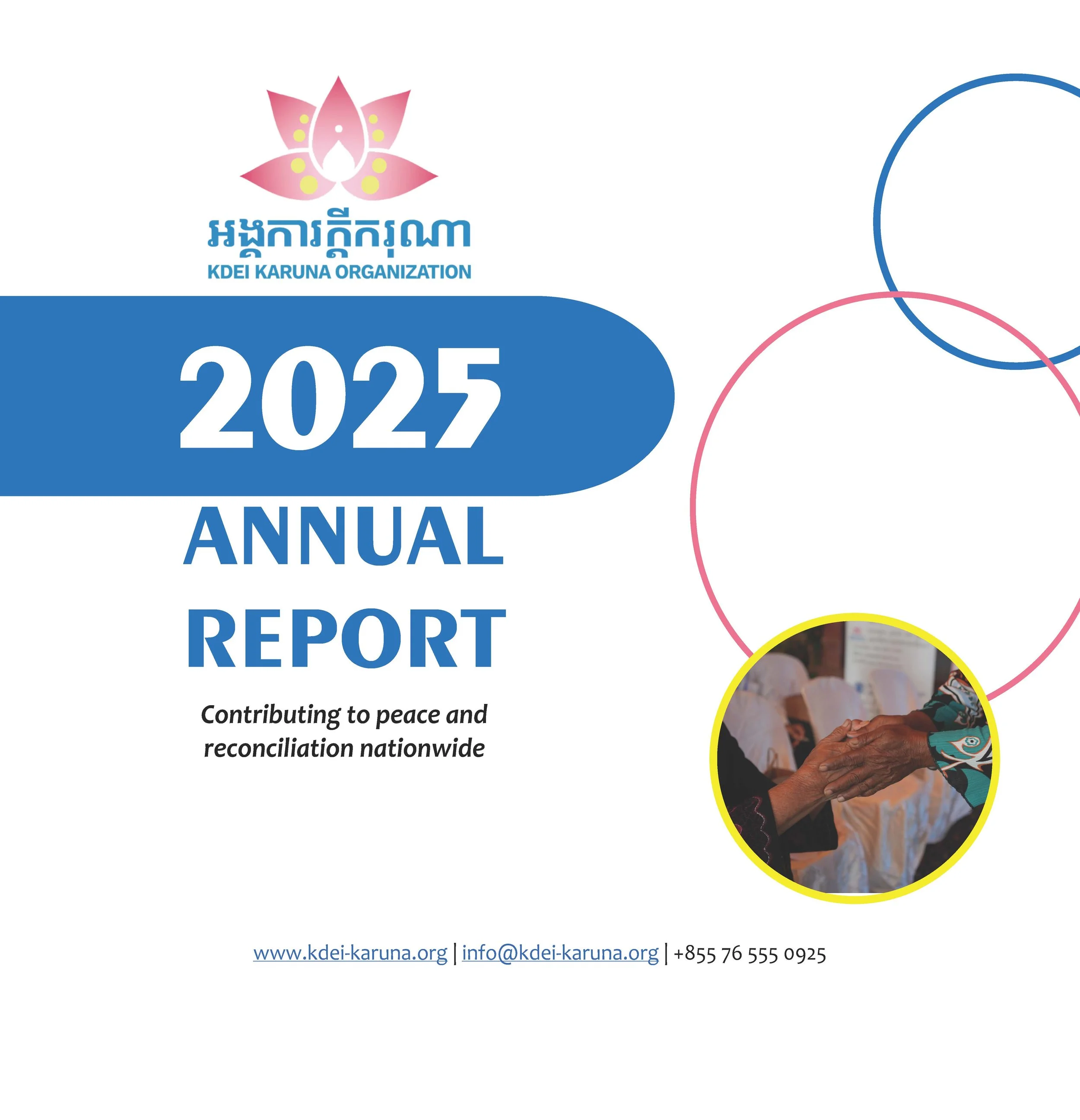
Annual Report 2025
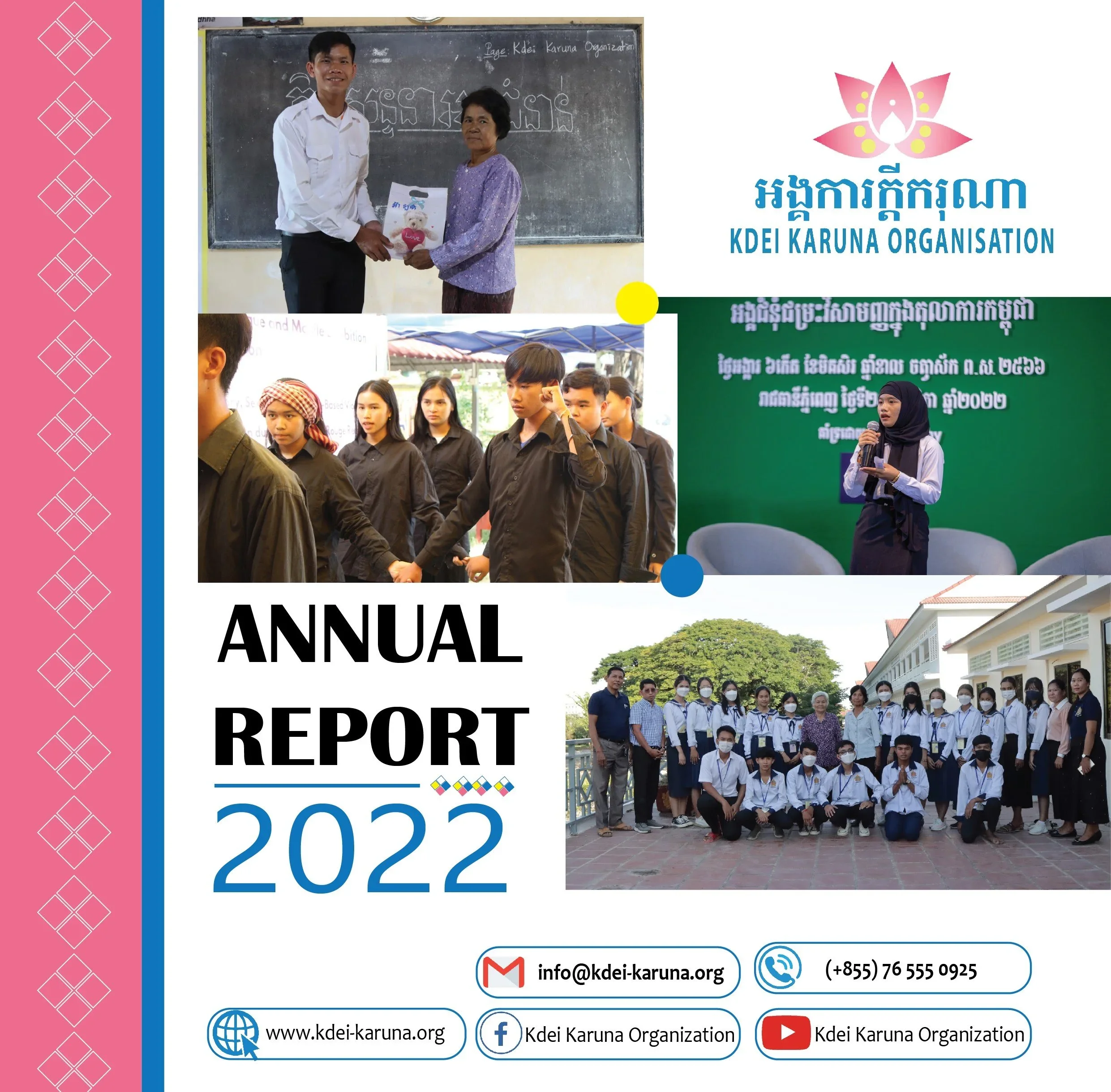
Annual Report 2022
Annual Report 2020
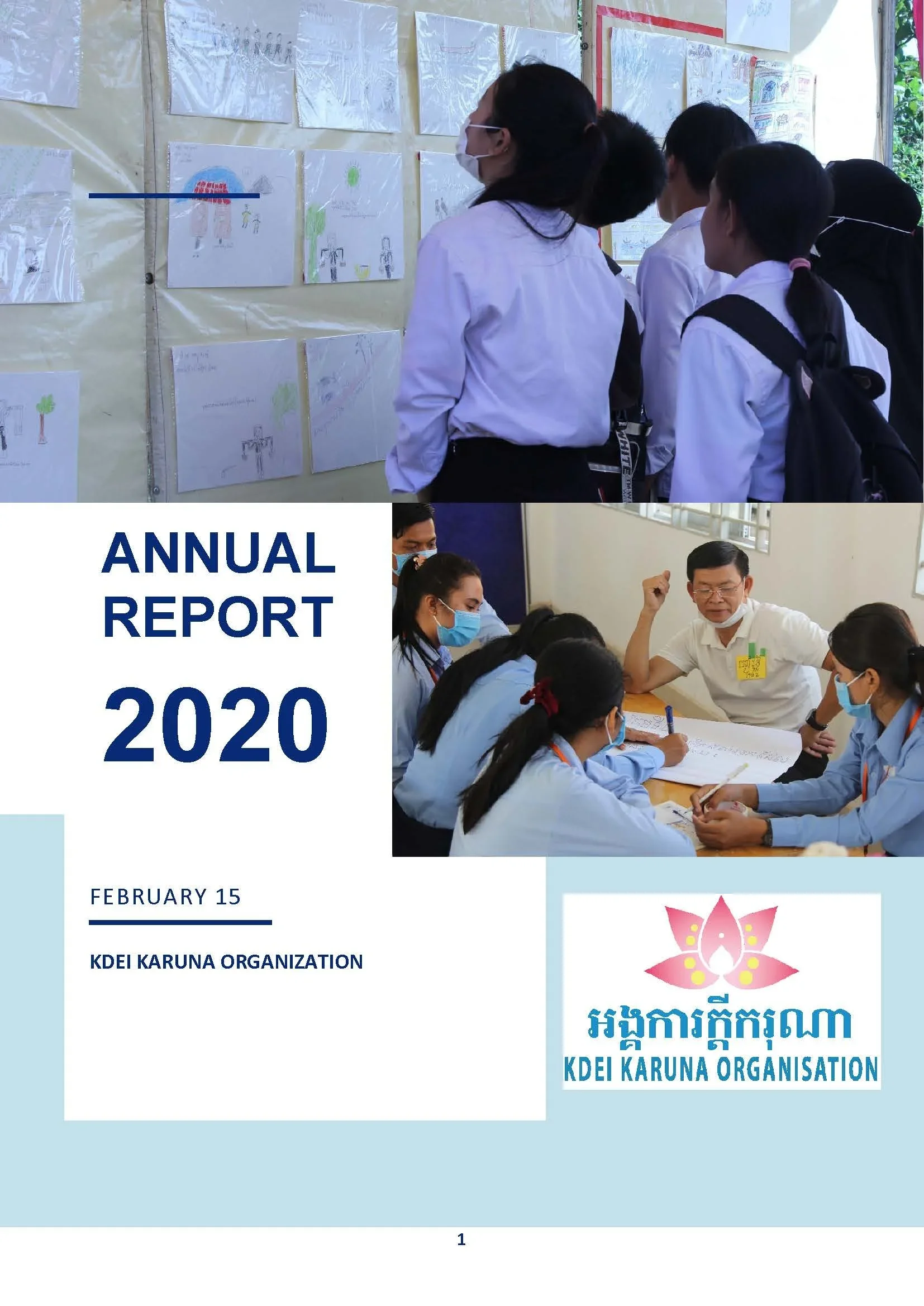
Annual Report 2024
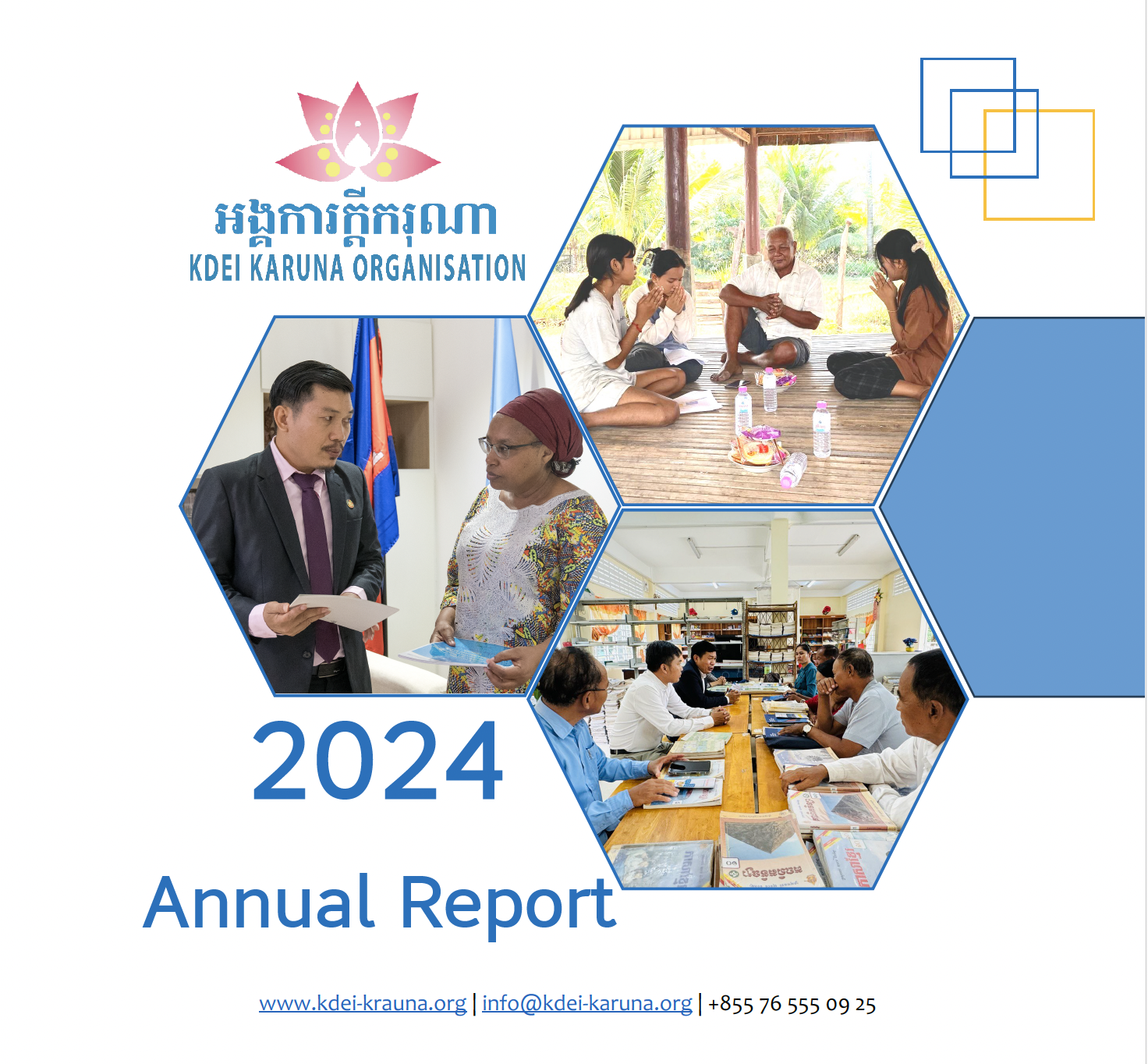
Annual Report 2021
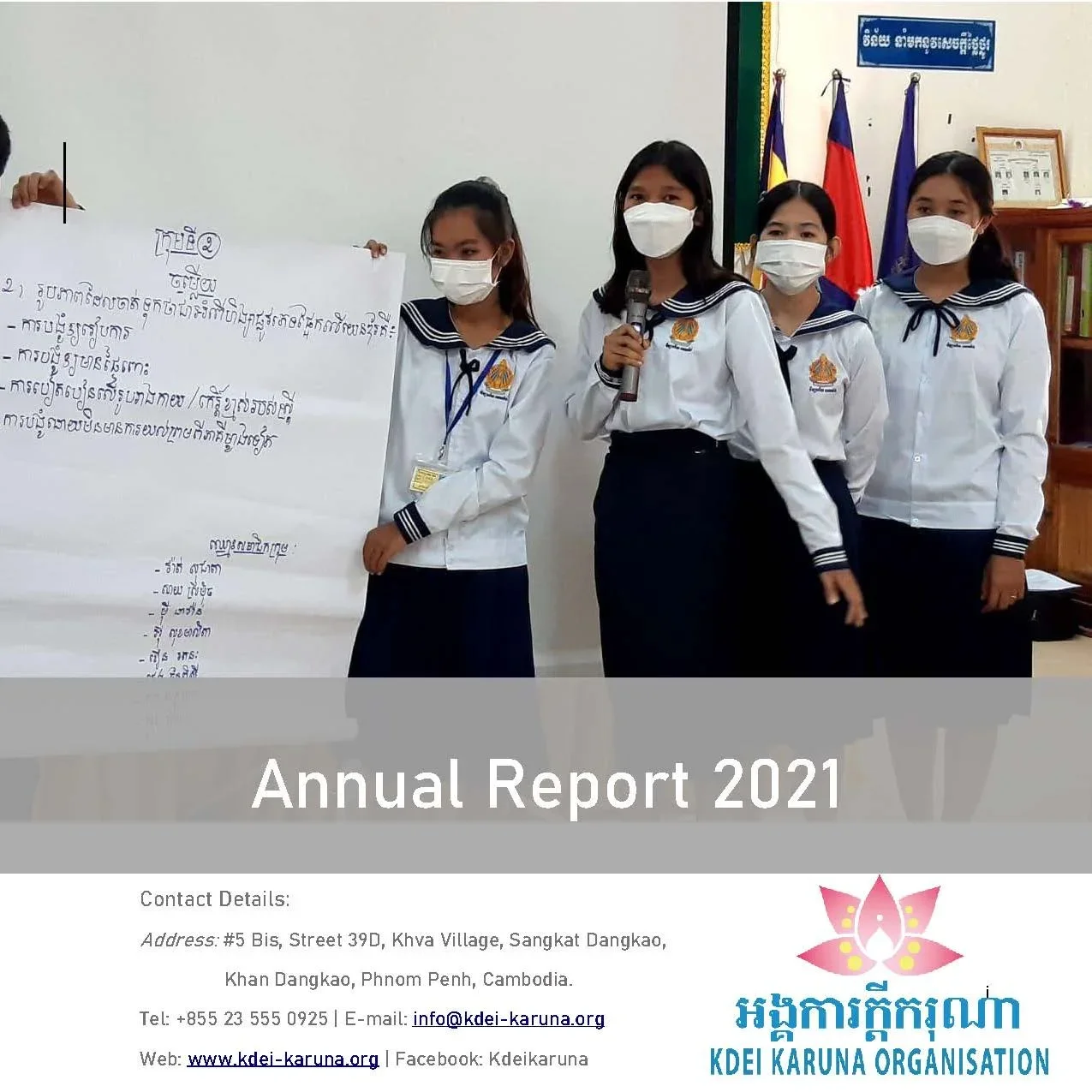
Annual REPORT 2019
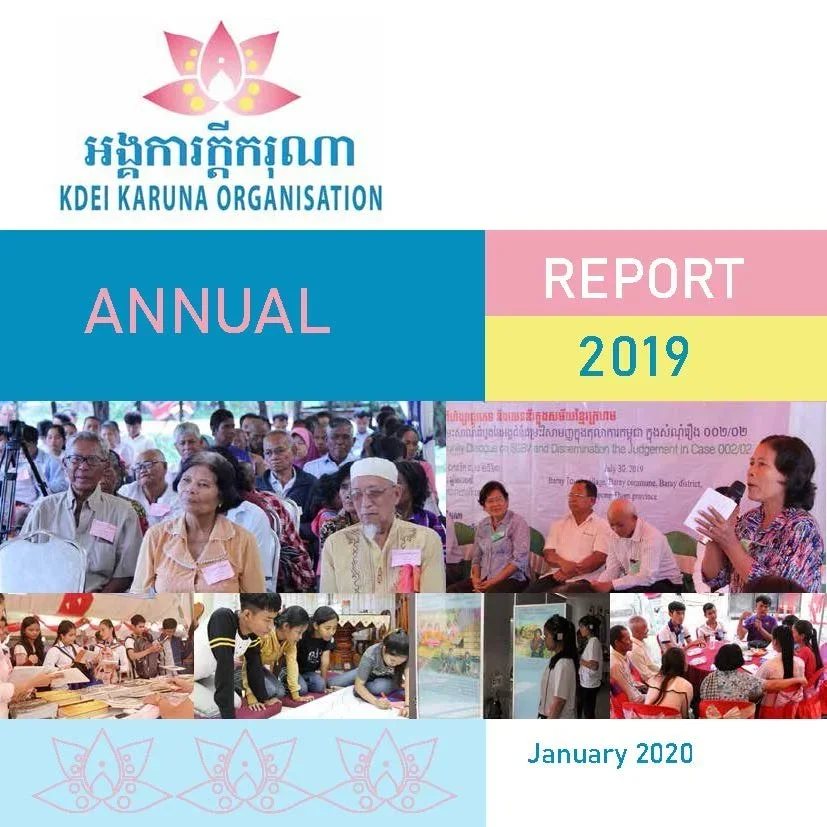
Publications
Publications
PUBLICATIONS
…on ORAL HISTORY DOCUMENTATION.
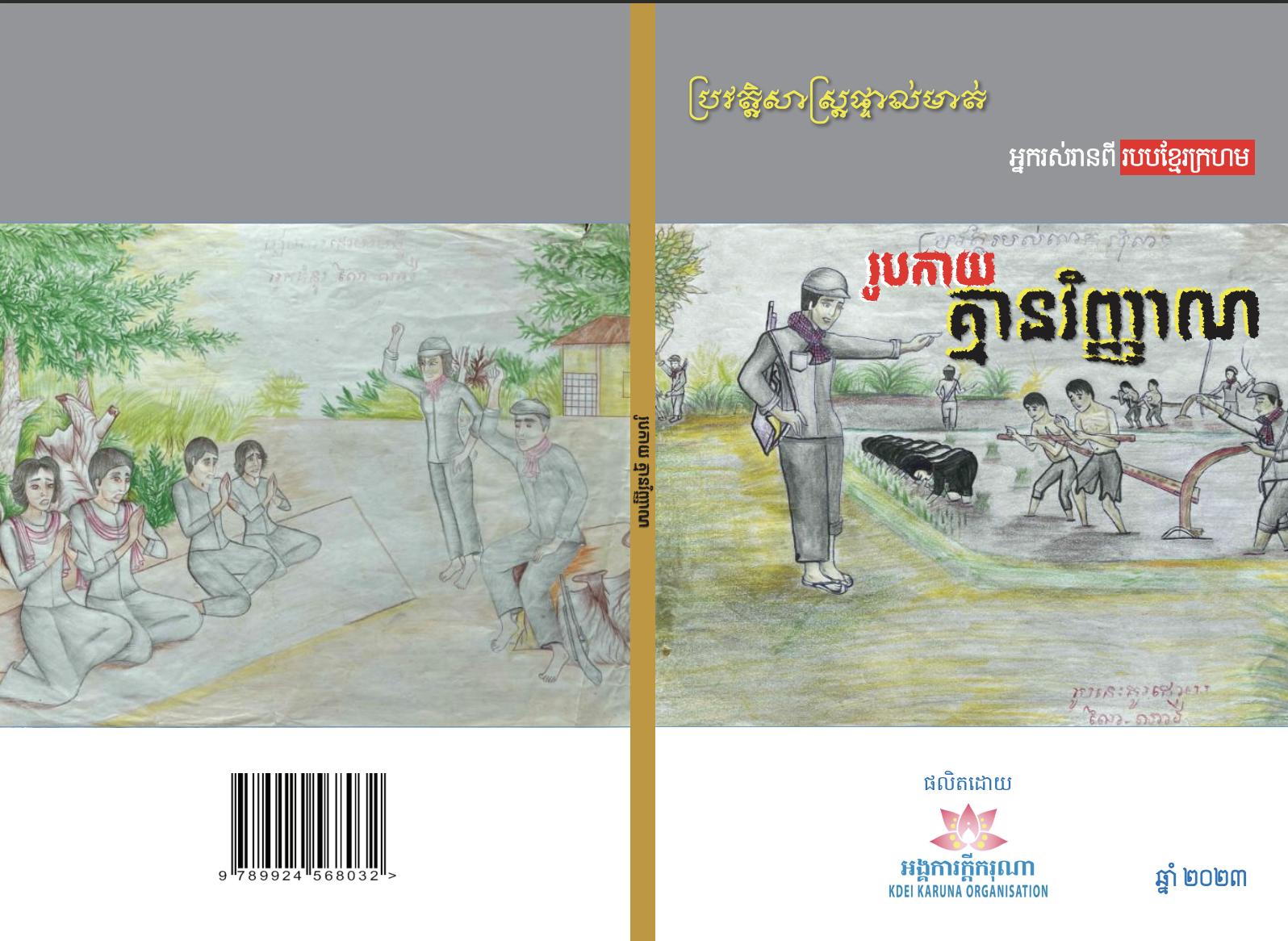
Oral History Book "Living without Soul"
February 7, 2024
With support from GIZ-CPS in 2023, sixteen high school teachers across five provinces in Cambodia collected five oral history stories from five Khmer Rouge survivors, one in each province. The survivors shared the suffering they endured in different aspects of life under the Khmer Rouge. Living without Soul is a resource for teachers, students, researchers, and anyone who wishes to learn about and contribute to dealing with the conflicts of the past. Currently only available in Khmer.
Stories of Khmer Rouge Survivors
February 2, 2024
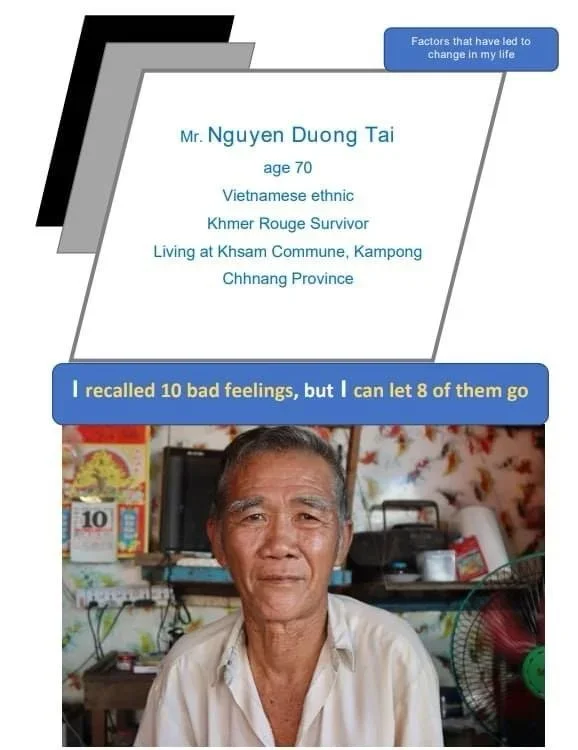
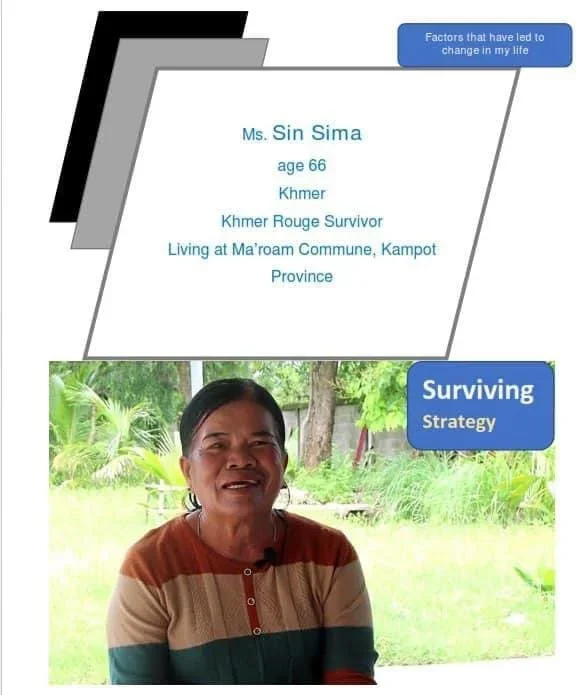
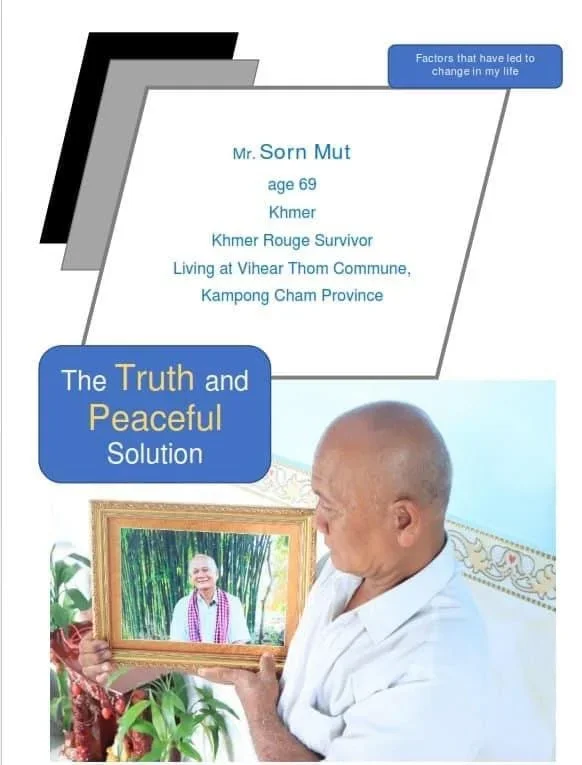
With support from GIZ-CPS, three stories were documented and published online (website and Facebook page) in 2023. These stories offer a model of healing and reconciliation, and can encourage other survivors who still live with the suffering of the past to begin dealing with it. English versions are now available here:
Ms. Sin Sima - click here
Mr. Sorn Mut - click here
Mr. Nguyen Yan Tay - click here
Community Truth: A Story of Em Lern
April 3, 2023
This story reflects on another corner of Khmer Rouge history. Click the video below for the full story. Supported by the Institut für Auslandsbeziehungen (ifa) zivik Funding Programme, with funds from the German Federal Foreign Office (Auswärtiges Amt).
Community Truth: A Story of Soun Saroeun
April 3, 2023
This story reflects on another corner of Khmer Rouge history. Click the video below for the full story. Supported by the Institut für Auslandsbeziehungen (ifa) zivik Funding Programme, with funds from the German Federal Foreign Office (Auswärtiges Amt).
Breaking Old Barriers
January 26, 2023
This short documentary offers insights into the international exchange workshop held in Bangkok on 15 May 2013, part of Kdei Karuna's project Exploring History and Nationalism in Thai-Cambodian Relations. Together with scholars, diplomats, and NGO representatives, Thai, Cambodian, and international students examined the role of identity, nationalism, and competing representations of history in the tensions between the two countries. The workshop was co-organised by Mahidol University International College, Bangkok, and Kdei Karuna. The film was produced by four students from the Department of Media and Communication (DMC) at the Royal University of Phnom Penh — Cheng Bunlong, Mer Chanpolydet, Heng Guechly, and Kong Sovan — who accompanied and documented the dialogue process. Supported by GIZ and the Civil Peace Service (ZFD).
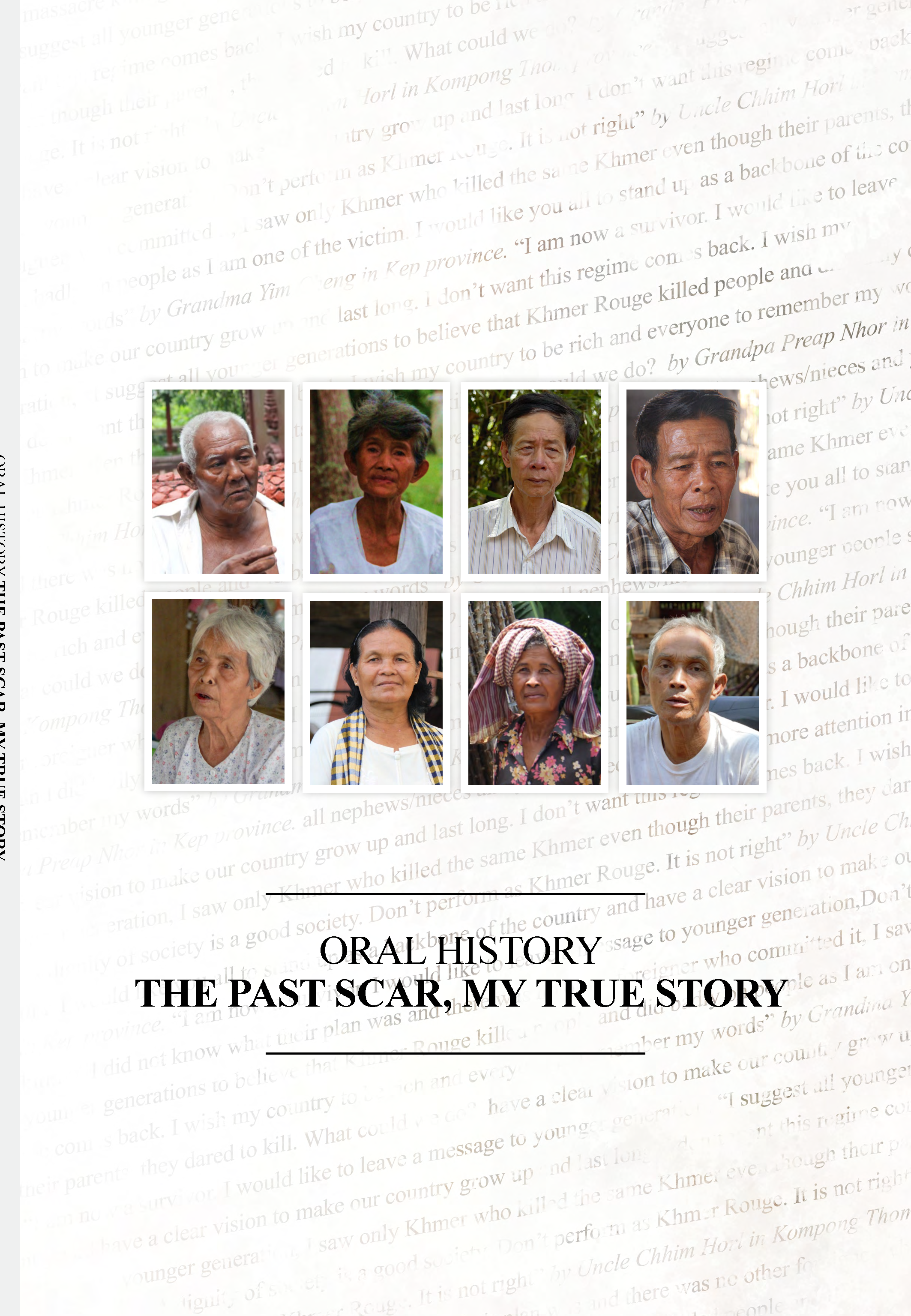
The Past Scar, My True Story — Stories of Survivors of Torture under the Khmer Rouge
2018 · An oral history collection
This book gathers eight life stories of survivors of torture under the Khmer Rouge, collected in Kampong Chhnang, Kampong Thom, Kandal, and Kep. Each was told by the survivor themselves and recorded through individual interviews during Kdei Karuna's Healing and Reconciliation project. The collection does not dwell on pain alone: alongside accounts of what was endured, the narrators speak of their strength, their hopes, and their daily struggle to rebuild — offered as a lesson for younger generations, so that such violence is never repeated. Produced with TPO Cambodia and supported by USAID.
… on OPPORTUNITIES FOR REPARATIONS
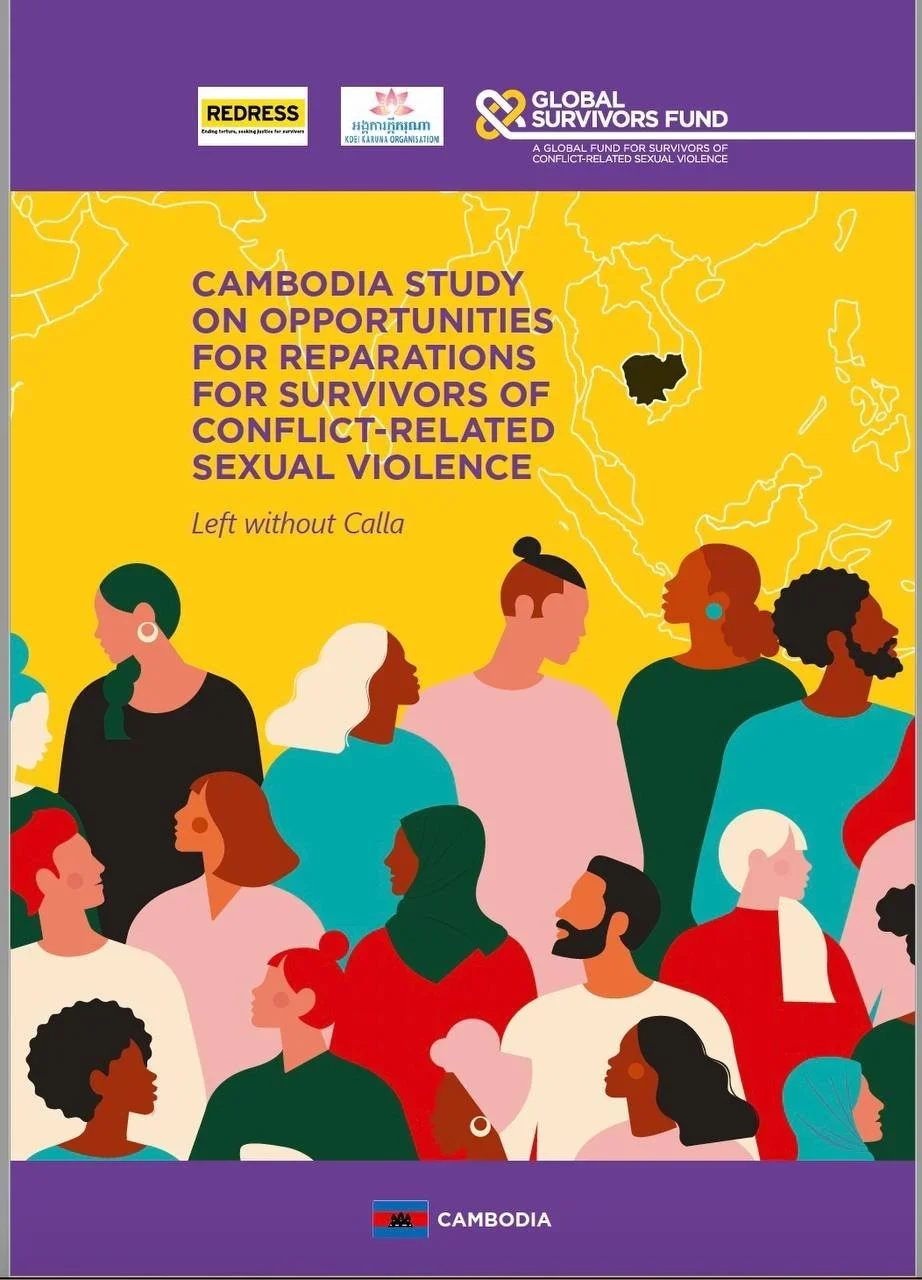
Cambodia Study - Opportunities for Reparations for Survivors of Conflict-Related Sexual Violence
January 27, 2023
This report by REDRESS, Kdei Karuna, and the Global Survivors Fund (GSF) examines the scope and prevalence of conflict-related sexual violence (CRSV) during the Khmer Rouge regime and the main obstacles survivors face in realising their right to reparations. It explores what survivors themselves want from effective reparation programmes, and sets out steps that Cambodian authorities, civil society, and the international community could take to support their search for redress. The study draws on in-country consultations with survivors, interviews with experts and stakeholders, and desk research. It forms part of a multi-country study led by the GSF to help close the global gap in honouring survivors' right to reparations.
… on FORCED TRANSFERS
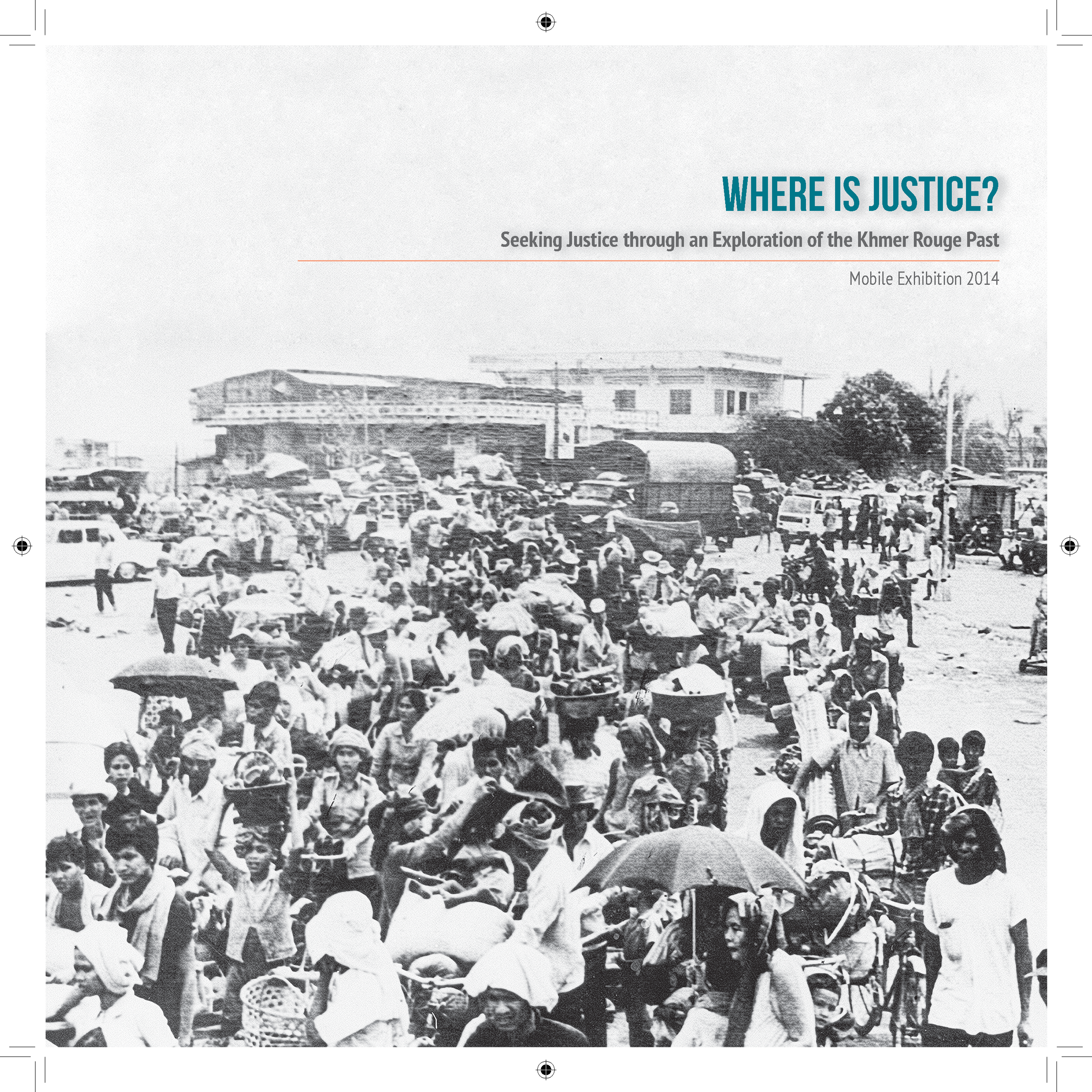
Where Is Justice? Seeking Justice through an Exploration of the Khmer Rouge Past
2014 · A mobile exhibition catalogue · ECCC reparations project
This catalogue documents the Mobile Exhibition on Forced Transfer, a reparations project for ECCC Case 002/01 requested by Civil Parties. It traces the mass population transfers of the Khmer Rouge years through a timeline of the regime's rise, archival photographs, and the testimonies of Civil Parties who lived through them. Designed to travel to communities and reach a generation with no memory of the war, the exhibition paired these boards with storytelling, intergenerational dialogue, and Forum Theatre. Implemented with Youth for Peace under the ECCC's reparations mandate and supported by GIZ.
… on ETHNIC MINORITIES
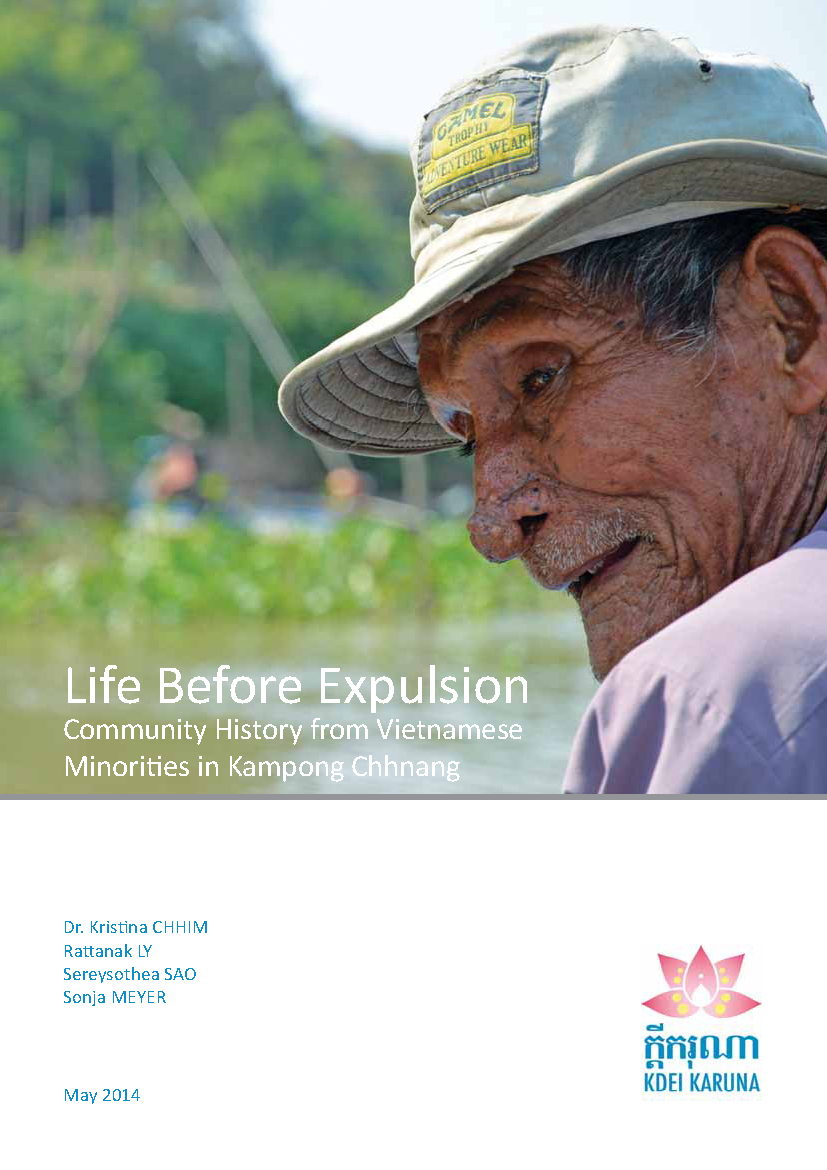
Life Before Expulsion — Community History from Vietnamese Minorities in Kampong Chhnang
2014 · A community history · Research report
Long before the Khmer Rouge, ethnic Vietnamese families had lived and worked along the waterways of Kampong Chhnang for generations. This study gathers their community history through the memories of those who remained — how they made their living, worshipped, and lived alongside their Khmer neighbours before waves of expulsion and violence scattered them. Drawing on interviews with key respondents from the community, Kdei Karuna records a past that is rarely written down, and sets it against the discrimination these families continued to face long after the regime fell.
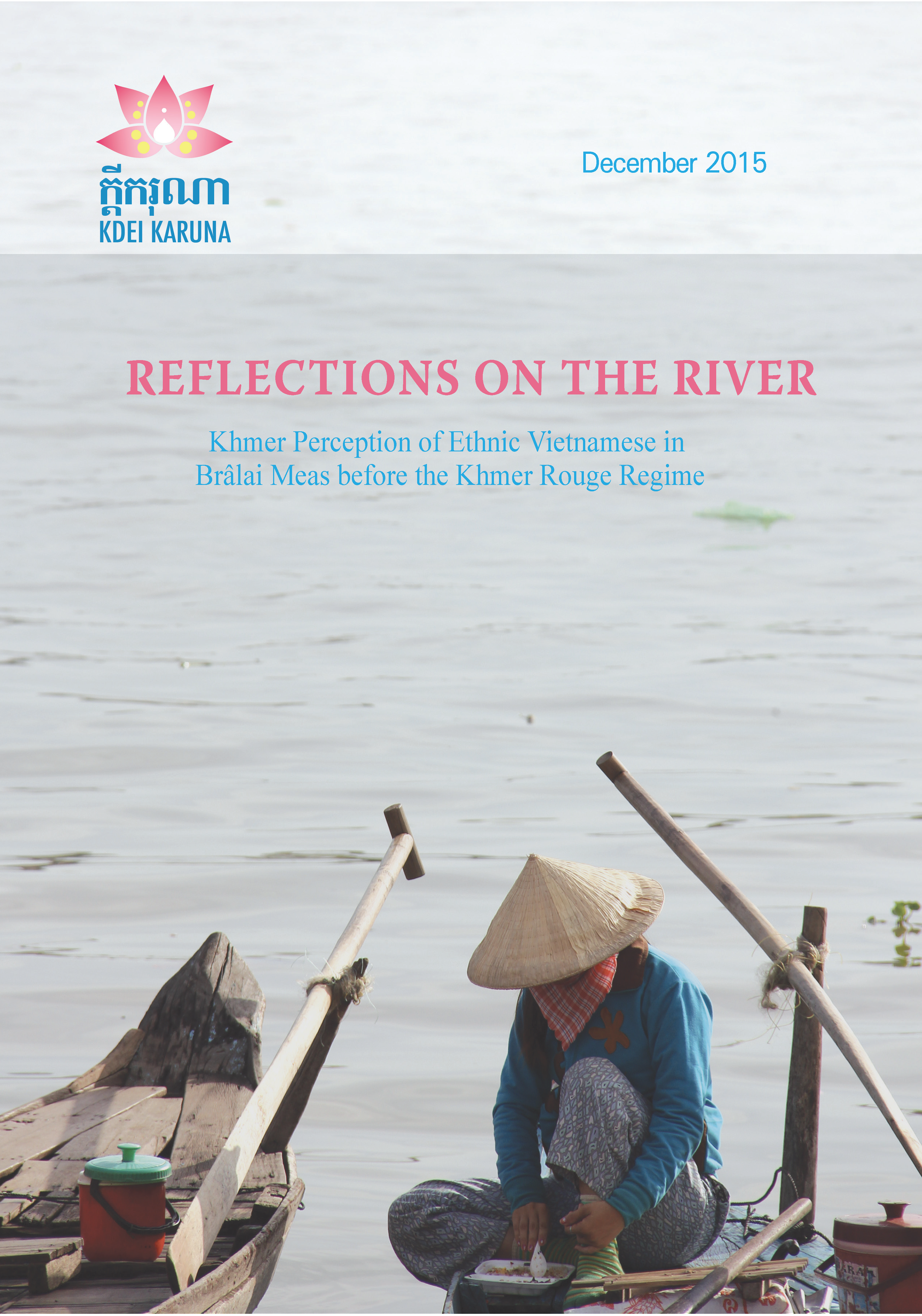
Reflections on the River — Khmer Perceptions of Ethnic Vietnamese before the Khmer Rouge
2015 · A community history · Research report
This report is the companion to Life Before Expulsion. Where the earlier study recorded the ethnic Vietnamese view of life in Kampong Chhnang, this one turns to their Khmer neighbours in Brâlai Meas commune and asks how they remember living alongside the Vietnamese families of the Tonlé Sap. Through interviews with Khmer women and men of the river, Kdei Karuna documents the everyday texture of that coexistence — schooling and language, religious practice and shared ceremonies, fishing, trade, and the use of the river itself — before the upheavals of the 1970s. Read together, the two reports offer something rare: both sides of a relationship that later history would try to erase. Supported by GIZ Civil Peace Service.
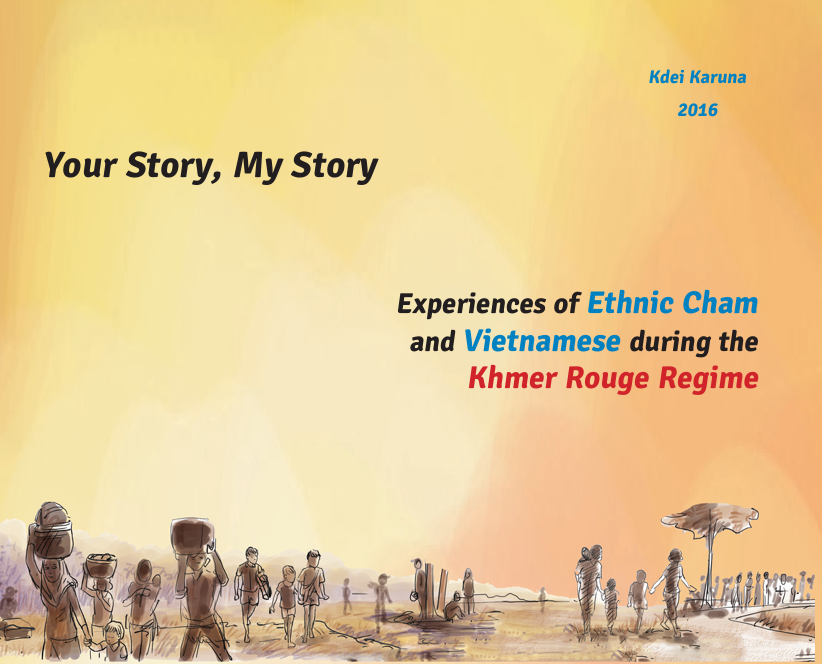
Your Story, My Story — Experiences of Ethnic Cham and Vietnamese under the Khmer Rouge
2016 · A graphic novel · From the project "Voices from Ethnic Minorities"
Two characters carry this book: Yusuf, a Cham man who grew up attending both Khmer and Islamic schools, and Thy Anha, a Vietnamese woman whose family had lived in Cambodia for generations. Neither is one person — both were composed from the testimonies of Cham, Vietnamese, and Khmer Civil Parties and survivors, gathered through oral history interviews. Illustrated by Sao Sreymao, the novel follows their families from the Sangkum Reastr Niyum years through persecution, flight, and the slow work of rebuilding afterwards. It was produced as part of the exhibition proposed as an ECCC reparations project in Case 002/02, in a period when the tribunal was hearing the treatment of ethnic Cham and Vietnamese. Funded by the Swiss Embassy in Bangkok.
Samnatt — Histories of Cham and Vietnamese Communities under the Khmer Rouge
July 17, 2018 · A 30-minute documentary · From the project "Flow of Life: Oral Histories from Ethnic Minorities in the Tonle Sap Region"
The story of the Khmer Rouge is usually told as a Khmer story. This film follows eight people from Cambodia's Cham and Vietnamese communities as they recount their migration histories, their experiences under the regime, and the lives they built afterwards. Filmed across four provinces around the Tonle Sap — Kampong Chhnang, Pursat, Battambang, and Siem Reap — it brings to the surface histories that have rarely been heard alongside the wider national account.
…on VICTIM AND FORMER KHMER ROUGE CADRE DIALOGUE
VICTIM AND FORMER KHMER ROUGE CADRE DIALOGUE
August 30, 2021
Across Cambodia, survivors often live in the same community as those who committed crimes against their families and friends. Decades later, a lack of communication still fosters anger, resentment, and misunderstanding. In one village, a man recalls the arrest of his mother, who was then taken to the nearby pagoda and tortured. As he puts it: "The spies who arrested my mother are now living in my village. I am still angry with them, but I cannot do anything." Read more
Victim – Former Khmer Rouge Dialogue Project: Lessons Learned
2011 · A lessons-learned report
In one commune in Kampot, two villages had lived in silence since the fall of the Khmer Rouge — one home to survivors, the other to former cadres, among them a man two families held responsible for the deaths of their relatives. This report documents a pilot project that brought a survivor group and a former cadre and his wife into contact, first through an exchange of video messages and later face to face at the village pagoda, itself once a Khmer Rouge prison. It traces how acknowledgement, and eventually a shared decision to build a memorial stupa, became possible, and draws out what the process taught about reconciliation between survivors and their direct perpetrators. Produced with TPO Cambodia and supported by GIZ.
Manuals
Manuals
MANUALS
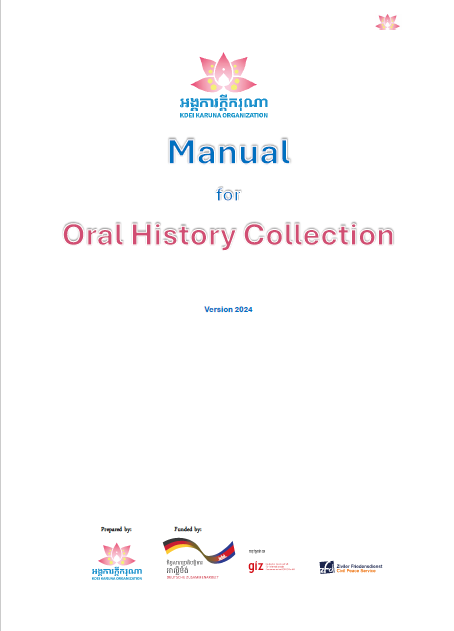
Manual for Oral History Collection
Version 2024 · Kdei Karuna, developed with high school teachers · Supported by GIZ Civil Peace Service (GIZ-CPS)
How do you sit with someone as they speak about the hardest years of their life — and do it well, and do no harm? Drawn from two decades of Kdei Karuna's oral history work, this manual sets out our full approach in practical steps: planning and conducting interviews, processing and reviewing the story, and publishing it as a book, audio, or film. A dedicated chapter on trauma and basic mental health support covers care for both the storyteller and the interviewer. It closes with reference materials, checklists, a sample consent form, and an interview question guide.
For teachers, students, researchers, and anyone documenting community memory. A living document — we welcome your feedback.
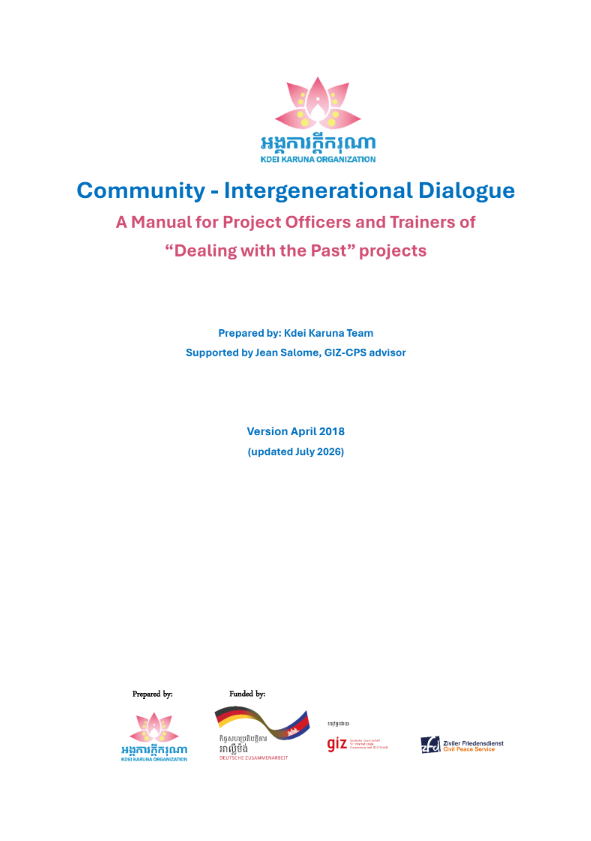
Community - Intergenerational Dialogue: A Manual for Project Officers and Trainers OF “DEALING WITH THE PAST” PROJECTS
Version April 2018, updated 2026 · Developed by Kdei Karuna · Supported by Jean Salomé, GIZ-CPS
How do you open a conversation between a survivor who has carried a memory alone for forty years and a teenager who has only met that history in a textbook? This manual sets out the approach Kdei Karuna developed over two decades of community work: what dialogue is (and how it differs from debate), the three-step process from introduction through open sharing to shared commitments, and the roles that make it work — Local Facilitators, survivors and youth, and KdK staff, before, during, and after a session. Practical chapters cover facilitation and note-taking skills, with annexes offering question guides, dialogue settings, trauma and mental health materials, and an observation sheet.
For facilitators, trainers, educators, and anyone bringing generations into conversation about a difficult past.